Emerging risk management involves identifying, assessing, and addressing new or uncertain risks. It enables organizations to detect early warning signs, make informed decisions, and build resilience in a changing environment.
ISO/TS 31050 offers guidance for managing emerging risks and strengthening organizational resilience. It complements ISO 31000 by helping organizations identify, analyze, evaluate, and address risks that are new, uncertain, rapidly evolving, or not fully understood. The guidance emphasizes early signals, changing contexts, risk intelligence, resilience, and informed decision-making when traditional risk information is limited or incomplete.
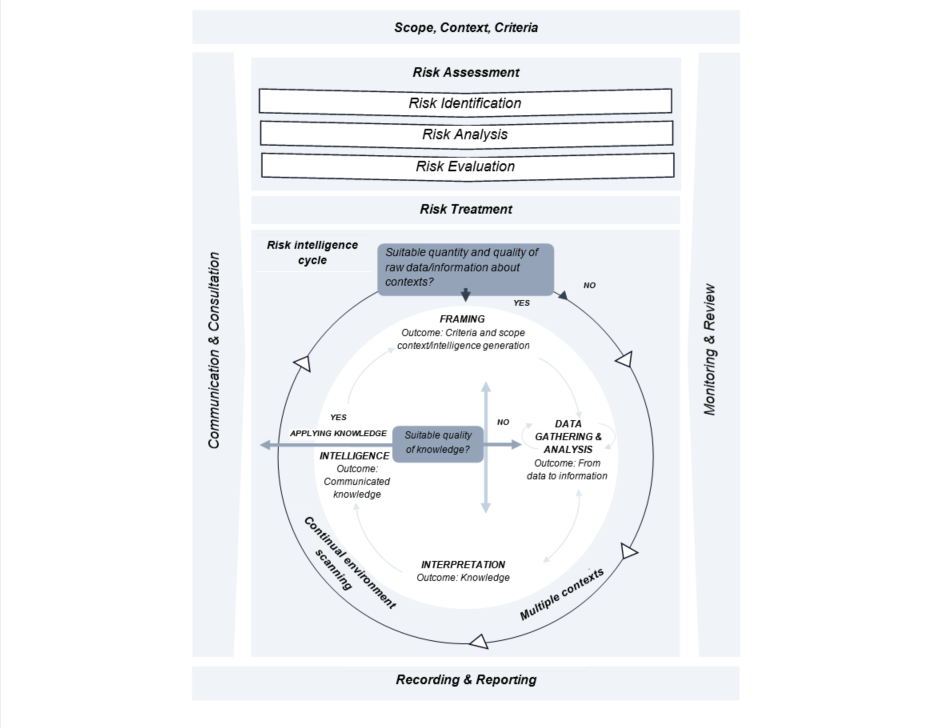
Figure 2. Risk intelligence cycle for the emerging risk applied to the ISO 31000 process
Emerging risk management enables organizations to anticipate uncertainty before it leads to disruption. By identifying weak signals, monitoring changes, and assessing potential impacts early, organizations can respond promptly and adapt effectively. This is essential in complex environments where technological, economic, environmental, social, or geopolitical changes can create risks affecting strategy, operations, stakeholders, and long-term resilience.
The World Economic Forum’s Global Risks Report 2026 highlights uncertainty as a key aspect of the global risk outlook, with concerns increasing over longer timeframes. In the report, 50% of respondents anticipate a turbulent or stormy outlook over the next two years, rising to 57% over the next ten years. This supports the need for emerging risk management because organizations need to review changing contexts, recognize weak signals, assess how risks may evolve over time, and make timely decisions that strengthen preparedness and resilience.
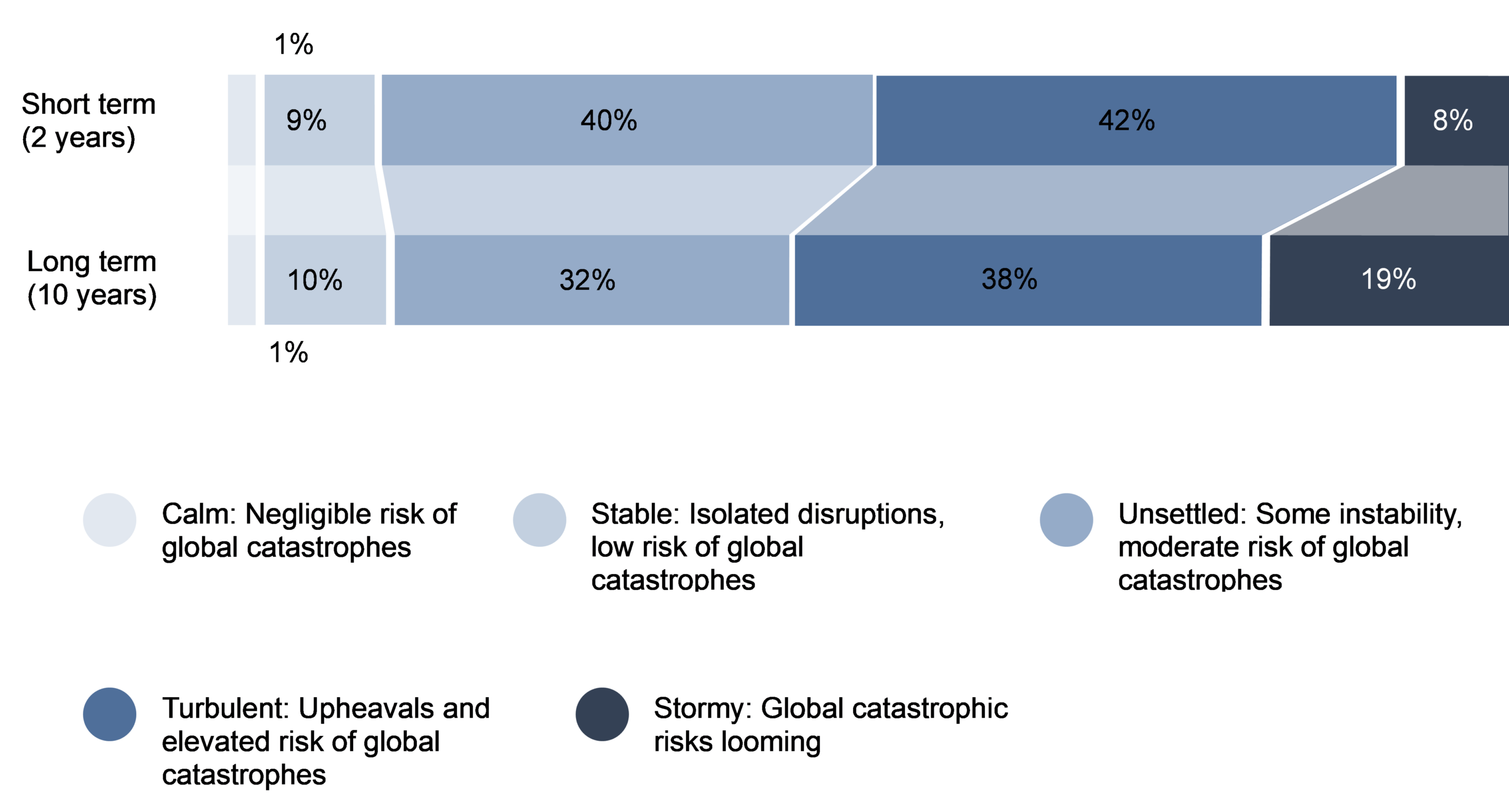
World Economic Forum. The Global Risks Report 2026, 21st Edition, January 2026. https://reports.weforum.org/docs/WEF_Global_Risks_Report_2026.pdf