
Our offices will be closed for the holiday season from December 25, 2025, to January 11, 2026. For urgent matters, please contact support@pecb.com.

Our offices will be closed for the holiday season from December 25, 2025, to January 11, 2026. For urgent matters, please contact support@pecb.com.

Our offices will be closed for the holiday season from December 25, 2025, to January 11, 2026. For urgent matters, please contact support@pecb.com.

Incident Response – Scheme Description

What Is an Incident Response?

Incident response involves a structured approach to addressing security events quickly and effectively, aiming to contain, eradicate, and recover from potential threats. By systematically examining and neutralizing malicious activities. Incident responders minimize downtime, prevent further damage, and preserve evidence for legal or regulatory purposes.

An incident responder is a cybersecurity professional specializing in the detection, analysis, and mitigation of security incidents. This role is critical in safeguarding an organization’s digital infrastructure and sensitive information. Key activities of an incident responder include strategic incident handling and forensic analysis.

Simultaneously, forensic analysis is a proactive and investigative process that allows incident responders to examine affected systems, identify the root cause of the breach, and gather actionable intelligence to prevent future attacks. By performing these activities, an incident responder helps organizations swiftly respond to and recover from security breaches, ensuring minimal disruption and reinforcing the overall cybersecurity strategy.

Benefits of Effective Incident Response

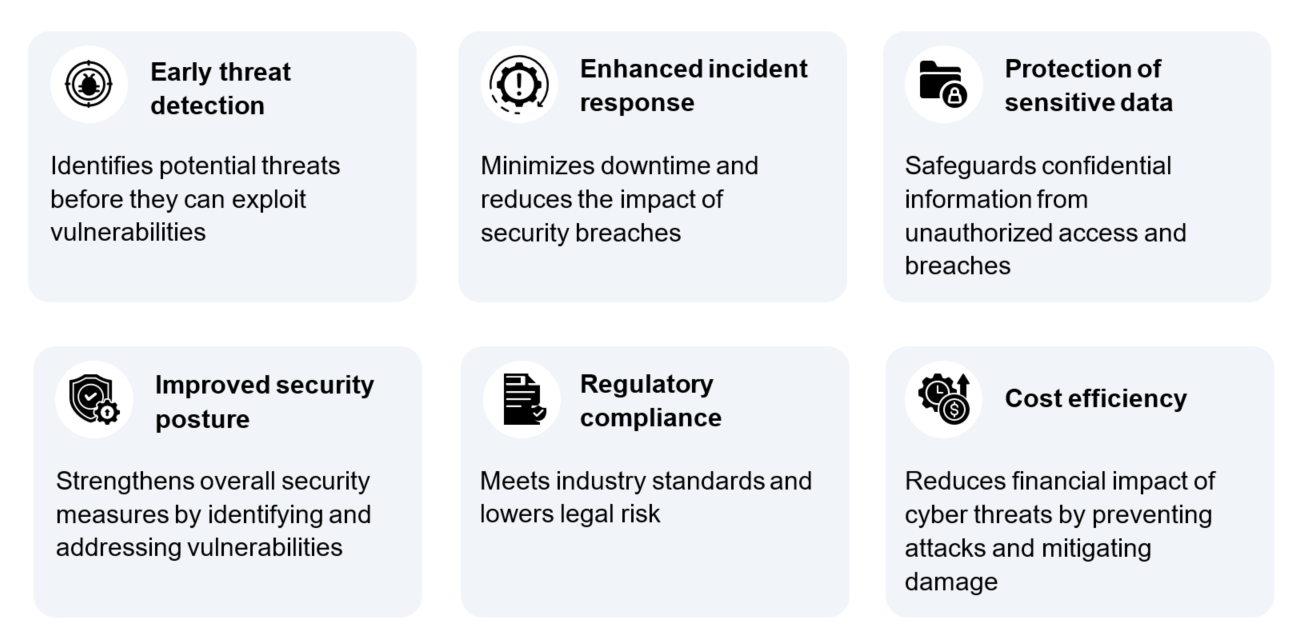
Implementing an effective incident response strategy provides the following advantages:
Why Is the PECB CIR Certification Important for You?

Earning a PECB CIR certificate will demonstrate your:

  • Proficiency in identifying, analyzing, and mitigating security threats, reducing potential damage and downtime
  • Expertise in designing and implementing structured incident response strategies, ensuring responses are both proactive and systematic
  • In-depth understanding of compliance and regulatory requirements, minimizing legal exposure and aligning with industry standards
  • Leadership in crisis management, promoting resilience and rapid decision-making in high-pressure scenarios
  • Advanced capability to leverage threat intelligence for early detection and swift response, enhancing overall security posture
  • Skills in conducting cyber defense trend analysis and reporting, enabling data-driven improvements to incident response processes

How to Get Started with Certified Incident Responder (CIR) Training

Are you looking to expand your knowledge and advance your skills in incident response?

PECB experts are here to support you throughout your certification process, providing a an enriching learning experience that enhances your cybersecurity expertise. With their guidance, you will gain the skills and confidence needed to effectively manage and mitigate cyber threats, positioning you for success in an ever-evolving threat landscape.

Take the first step today! Contact Us to begin your journey toward becoming a Certified Incident Responder.

Why Choose PECB

As a global provider of training, examination, and certification services, PECB aims to help you demonstrate your commitment and competence by providing you valuable education, evaluation, and certification against internationally recognized standards.

Note: This training course includes practical, hands-on labs designed to reinforce learning through real-world scenarios. The labs are delivered in a virtual environment and accessed via a web-based browser, allowing participants to practice with the tools, technologies, and environments covered in the course. This hands-on experience ensures participants gain valuable skills that can be immediately applied in their professional roles.”

Need support for your career development?

Download and personalize our request letter to ask your employer for funding.

Explore Issue

Related Course

Cloud Security – Training Course & Certification


What is Cloud Security?

Cloud security is a set of strategies and practices used to secure cloud environments, applications, and data. Cloud security ensures the preservation of confidentiality, integrity, availability, and privacy of information hosted in a private, public, community, or hybrid cloud deployment model. It provides multiple levels of security controls in the cloud infrastructure that ensure data protection and business continuity.

Why is Cloud Security important for you?

As the use of cloud computing grows constantly, so does the need to ensure cloud security. Data breaches and other forms of attacks happen mainly as a result of poor security practices, complicated controls, and misconfigurations. This makes cloud security essential to the effective operation of cloud services.

Organizations adopting cloud technology must ensure that the level of security of their cloud systems meets their requirements and complies with the applicable laws and regulations.

Implementing the guidelines of ISO/IEC 27017 helps cloud service providers and customers to establish, implement, and maintain information security controls related to cloud services. ISO/IEC 27017 provides additional guidance in selecting information security controls applicable to cloud services based on risk assessment and other cloud-specific information security requirements.

In addition, cloud service providers that process personally identifiable information (PII) in the cloud can implement the guidelines of ISO/IEC 27018 to meet the requirements of applicable regulations and legislation related to the protection of PII.

The Benefits of Cloud Security Certification

A PECB Cloud Security certificate demonstrates that you possess:

  • A comprehensive understanding of cloud security concepts and principles
  • The ability to identify and assess cloud-specific vulnerabilities and threats
  • Practical knowledge to advise an organization in managing a cloud security program
  • Knowledge on the tools and best practices needed to migrate to the cloud
  • Knowledge needed to respond to and recover from a cloud security incident
  • Skills needed to maintain and improve cloud security

The following are the results of a survey conducted with organizations that use cloud solutions:

How do I get started with Cloud Security Training?

We aim to help you expand your professional knowledge and advance your skills in cloud security. PECB experts are willing to help you with the certification process and with obtaining your PECB Certified Cloud Security Manager credentials.

Contact us to begin with the first step

PECB Certified Cloud Security Training Courses Available

Learn more about cloud security by attending the PECB Certified Lead Cloud Security Manager training course.