ESG has become increasingly relevant to organizational decision-making, as organizations both influence and are influenced by environmental changes, societal expectations, and governance practices. Issues such as climate change, occupational health and safety, resource availability, and business integrity can have significant consequences for organizations, their employees, communities, and other interested parties. Addressing these issues through ESG practices and initiatives can help organizations strengthen resilience, promote responsible business practices, meet stakeholder expectations, and support long-term sustainability.
The importance of ESG can be illustrated through global findings on environmental change, workplace conditions, and organizational governance. The following statistics, drawn from reports by internationally recognized organizations, demonstrate the scale of challenges associated with each ESG dimension and highlight the importance of addressing these factors in organizational strategies and operations.
Environmental
According to the World Meteorological Organization (WMO)[1][2], 2015–2025 were the 11 warmest years on record, with 2025 ranking as the second or third warmest year in the 176-year observational record. The global average temperature in 2025 was approximately 1.43°C above the 1850–1900 average, compared with 1.55°C in 2024, the warmest year recorded. The WMO also reported that ocean heat content reached its highest level in the 66-year observational record in 2025, while the rate of global mean sea level rise increased from 2.65 mm per year during 1993–2011 to 4.75 mm per year during 2012–2025.
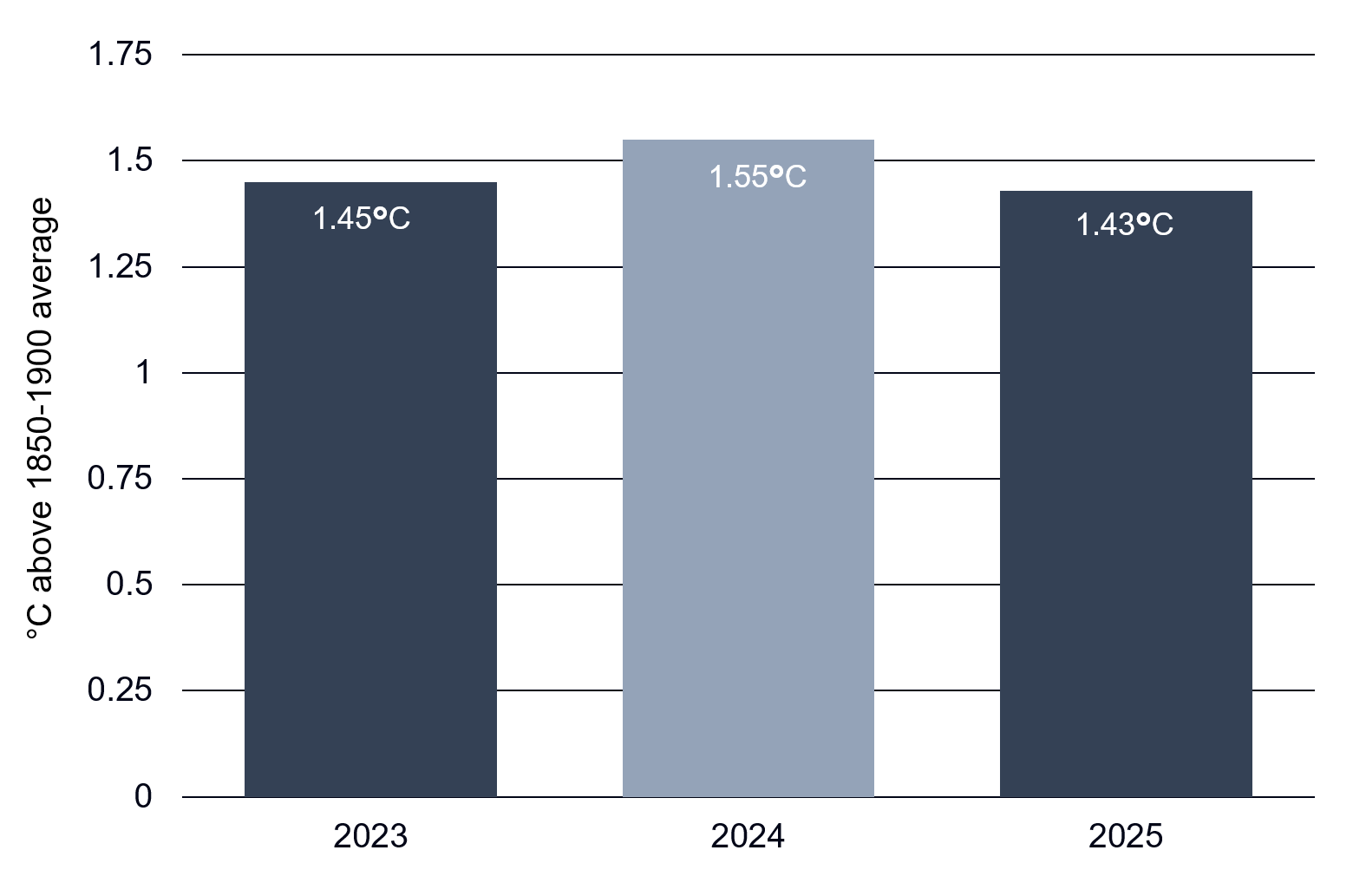
These findings demonstrate the continuing effects of climate change, including rising temperatures, ocean warming, and increasing sea levels. They highlight the importance of the environmental dimension of ESG in helping organizations assess their environmental impacts, understand exposure to climate risks, manage resource use, and integrate sustainability considerations into their operations and decisions.
Social
The social dimension of ESG addresses the effects of organizational activities on people, particularly employees, workers across business relationships, and communities. Occupational health and safety is one area where global statistics illustrate the significance of these responsibilities.
The International Labour Organization (ILO)[3] estimates that approximately 3 million workers die each year as a result of occupational accidents and work-related diseases. Of these deaths, about 2.6 million are attributed to work related diseases and 330,000 to occupational accidents. ILO also estimates that 395 million workers sustain nonfatal occupational injuries annually. These estimates, based on data for 2019 and published in 2023, demonstrate the scale of harm associated with unsafe or unhealthy working environments.
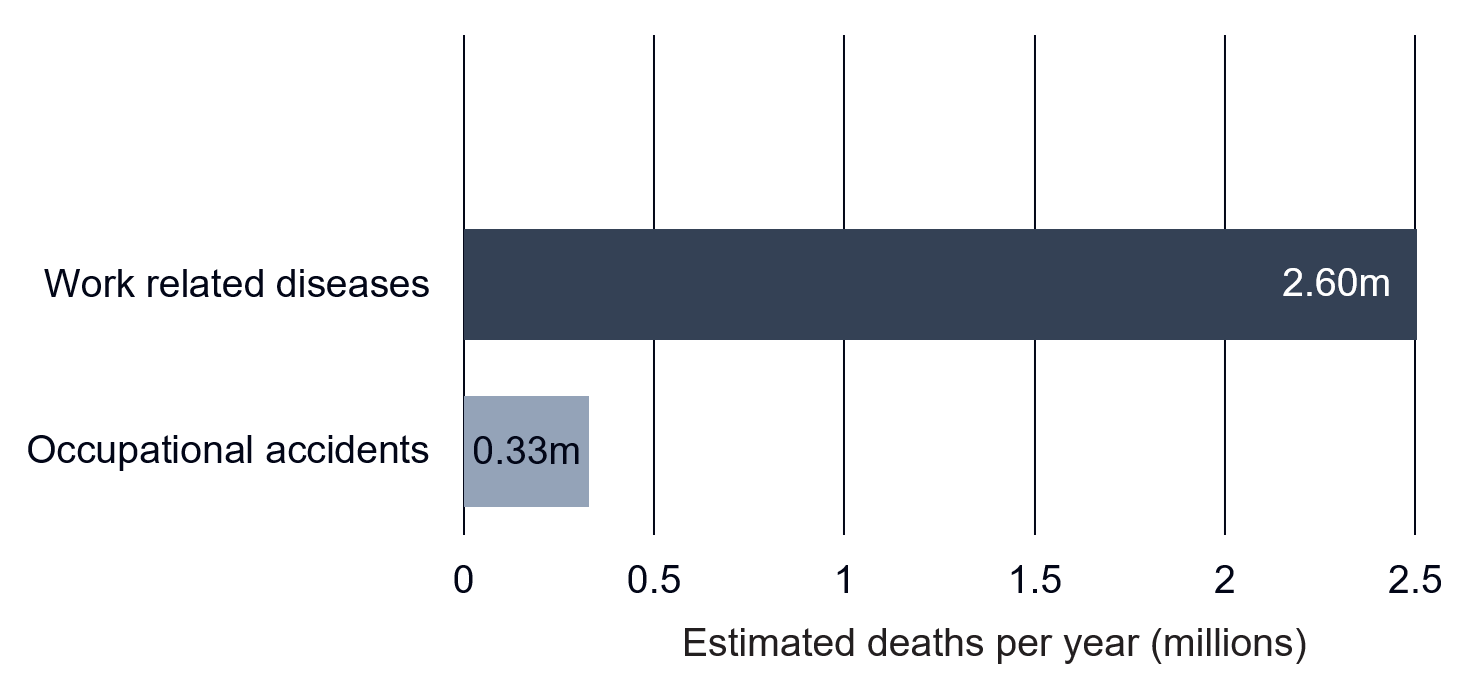
These findings highlight why organizations need to consider working conditions, identify workplace hazards, monitor occupational injuries and illnesses, and promote safe and healthy working environments. More broadly, they demonstrate the relevance of the social dimension of ESG in protecting human rights, supporting workers’ well-being, and managing social impacts throughout organizational activities and business relationships.
Governance
While environmental and social considerations address an organization’s impacts and exposure to sustainability challenges, governance concerns how organizations are directed, controlled, and held accountable for their decisions. Effective governance supports ethical conduct, transparency, appropriate oversight, and risk management. The importance of these practices is illustrated by global findings on occupational fraud.
The Association of Certified Fraud Examiners (ACFE)[4] examined 1,921 occupational fraud cases from 138 countries and territories in its 2024 Report to the Nations. The reported cases involved more than $3.1 billion in total losses, and a typical scheme lasted approximately 12 months before detection. Tips were the most common initial detection method, accounting for 43% of cases, followed by internal audits (14%) and management reviews (13%). These percentages describe detection methods in the cases examined, rather than fraud incidence rates among all organizations.
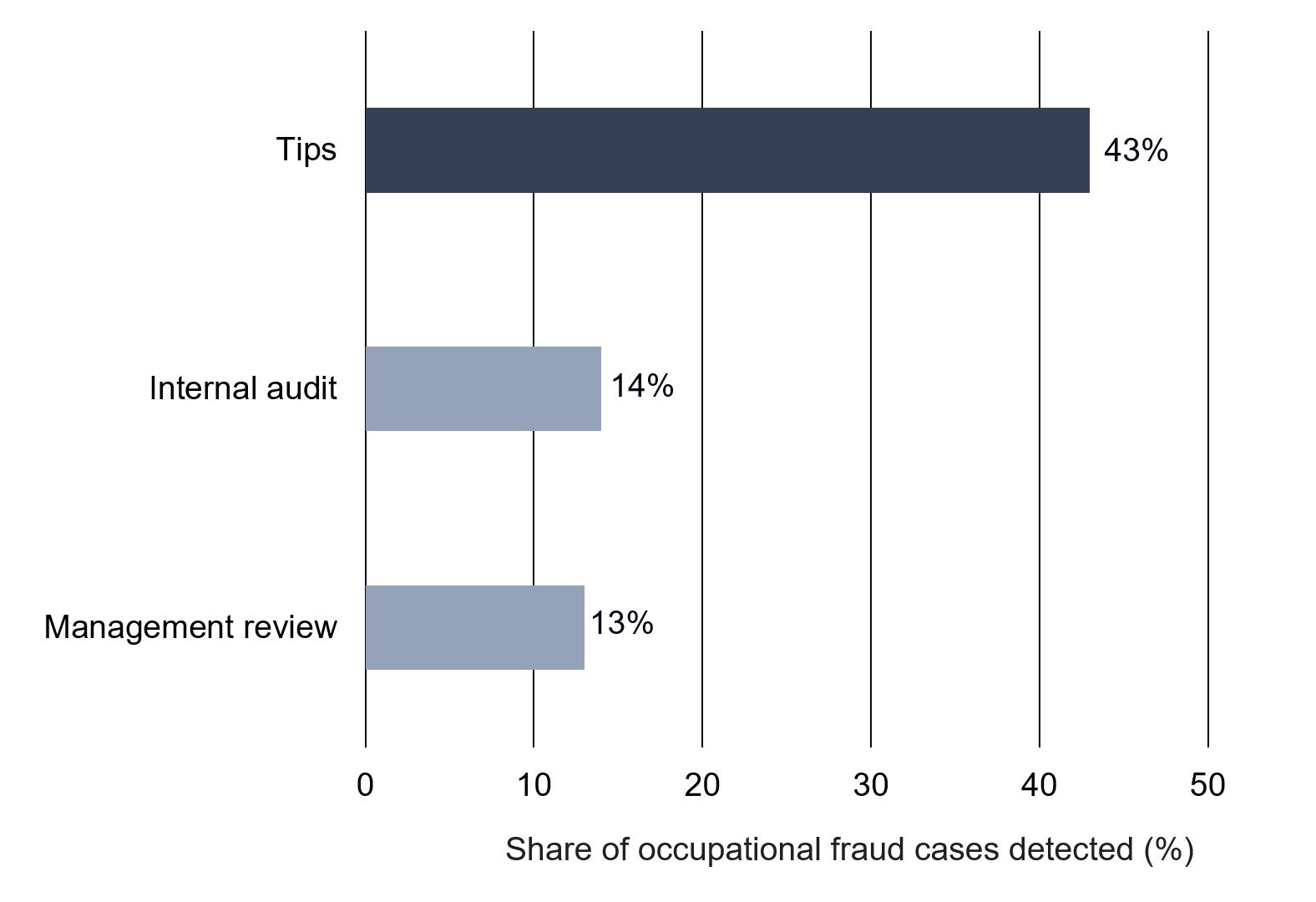
The ACFE findings highlight the importance of governance arrangements that support the reporting and investigation of concerns, internal oversight, accountability, and effective controls. Within ESG, these practices contribute to responsible organizational conduct, strengthen transparency, and support the identification and management of ethical and compliance risks.
Taken together, the findings demonstrate why ESG is important across all three dimensions.
[1] World Meteorological Organization. State of the Global Climate 2024. Geneva: WMO, 2025. https://wmo.int/publication-series/state-of-global-climate/state-of-global-climate-2024
[2] World Meteorological Organization. State of the Global Climate 2025. Geneva: WMO, 2026. https://public.wmo.int/publication-series/state-of-global-climate/state-of-global-climate-2025
[3] International Labour Organization. “Nearly 3 Million People Die of Work-Related Accidents and Diseases.” November 26, 2023. https://www.ilo.org/resource/news/nearly-3-million-people-die-work-related-accidents-and-diseases
[4] Association of Certified Fraud Examiners. Occupational Fraud 2024: A Report to the Nations. Austin, TX: ACFE, 2024. https://www.acfe.com/en-us/-/media/files/acfe/pdfs/rttn/2024/2024-report-to-the-nations.pdf